Independence note
Unless expressly stated otherwise, the views shared on this website are my own and should not be understood as representing my employer, clients, business interests, nonprofit organizations, church, or professional associations.
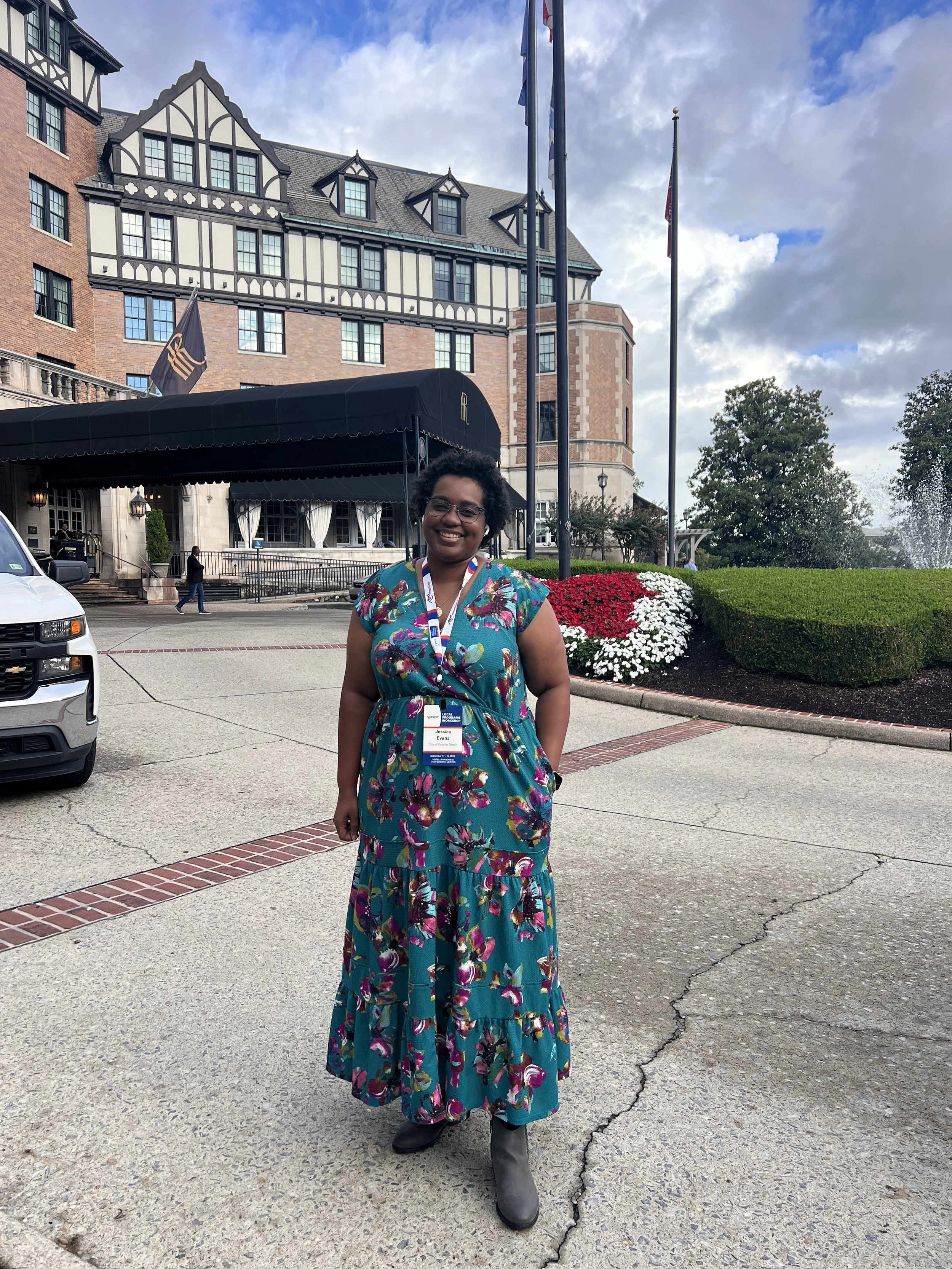
Roanoke, Virginia. September 2024. VDOT LAP Conference
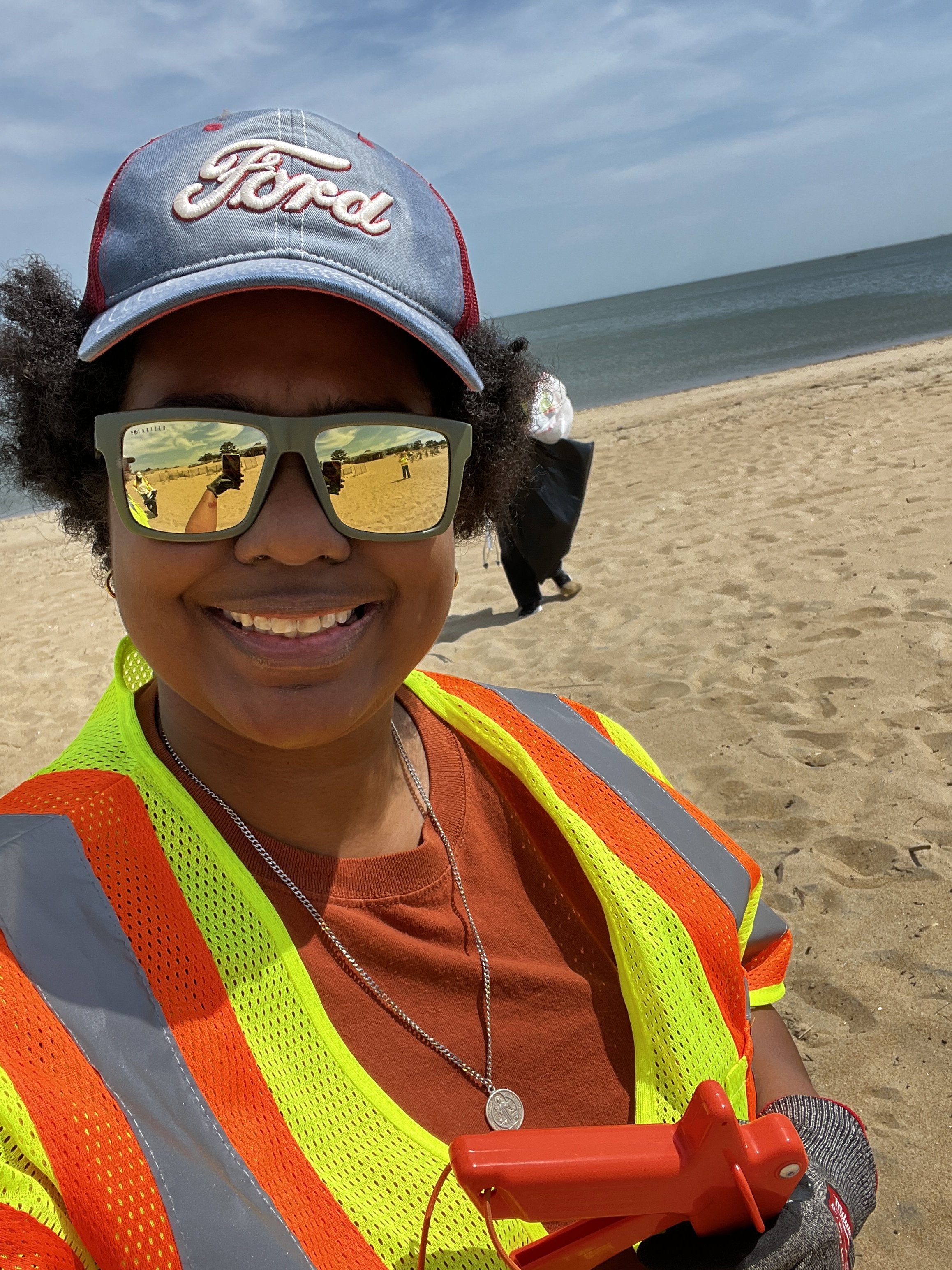
Willoughby Bay, Virginia. April 2026. Earth Day Clean Up
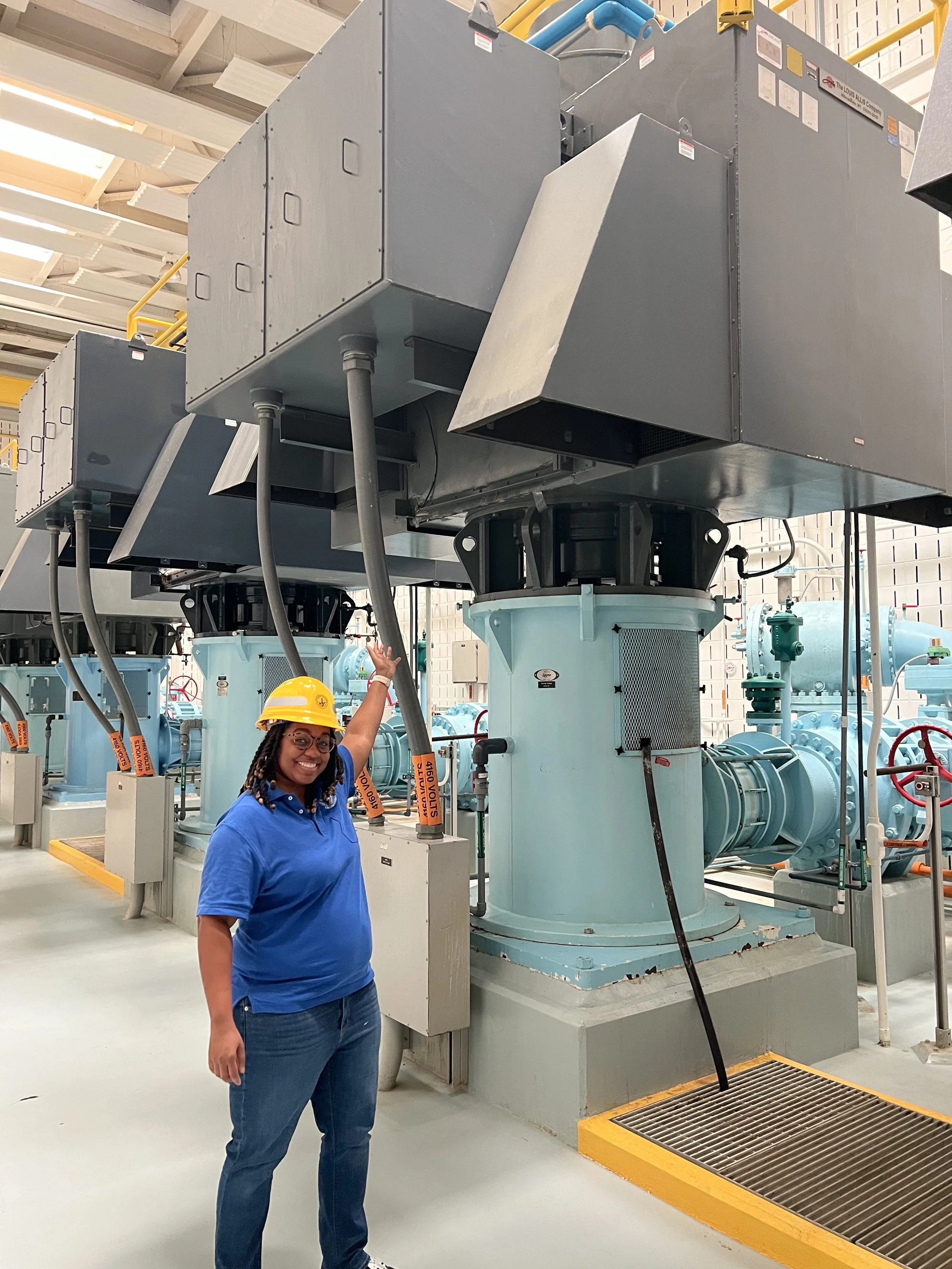
Lake Gaston, Virginia. September 2022. Pump Station Tour.
About
I currently work as a civil and environmental engineer whose practice includes serving as President of Henrico Pierce Engineered Solutions LLC and Executive Director and Chair of the Henrico Pierce Foundation.
Shaped by the work of W.E.B. Du Bois, Zora Neale Hurston, Septima Clark, and Hazel Scott, my practice brings together environmental justice, engineering, teaching, and public writing to document and interpret Black and Black adjacent life under racial capitalist infrastructures with data, narrative, and moral clarity.
As this work moves more deeply into social anthropology, community research and publicly available data from government, academic, and research institutions become core tools for generating empirical evidence, identifying trends and patterns, and offering original, fact based analysis back to the people and places those patterns affect.
Attention to stories, language, and ritual as forms of knowledge is central to this approach. Through essays, workshops, Bible study, and community education, I try to create spaces where legal, scientific, and theological literacy can nurture collective self determination.
Across faith, public life, and writing, the roles I hold are understood as duties that must honor the dignity of those who preceded me and those with whom I share community.
Personal Motivation
-
This work continues because of what I have seen, up close, about how systems built on racial capitalism shape who lives near what, who gets heard, and whose bodies are treated as expendable.
Life in communities where infrastructure, contamination, policing, schools, churches, and zoning decisions are daily realities rather than abstractions has made environmental justice impossible to treat as a niche concern. The central question is whether Black, Indigenous, working class, disabled, and diasporic communities get to live, breathe, and age with dignity.
Within that context, my work brings together environmental justice, engineering, teaching, public writing, and community based research. As this work steps more firmly into social anthropology, it relies on community research and publicly available data from government, academic, and research institutions to identify patterns, generate empirical evidence, and return fact based analysis to the people and places most affected.
Particular attention falls on the surviving Indigenous peoples of Tidewater Virginia, the African diaspora in Virginia, the role of historical faith institutions in shaping present day systems, and the Filipino and Latino communities in Hampton Roads and Portsmouth.
This vocation is also personal. In my life, I have told stories about myself that were more aspiration than truth. Confession, accountability, and grace have taught me to love reality instead, which is why I now cling so fiercely to evidence, archives, and full historical context. When a contaminated site, a church history, a voting pattern, or a construction project is under study, the aim is for what is said about people’s lives to stand up to scrutiny and to be useful to those most affected.
The work stands in a lineage. Du Bois, Hurston, Septima Clark, Hazel Scott, and countless unnamed elders showed that research, story, teaching, and art can be tools of both resistance and healing. In a small way, this work tries to stand in that line by documenting what is true, building spaces where people can learn and act together, and treating every role I hold as a duty to honor the dignity of those who came before and those with whom I share community.
This work is essential to my ongoing redemption journey.
-
As a Black lesbian woman, my relationship with God, with other people, and with the more‑than‑human world is inseparable from the histories that tried to deny my full humanity. Faith traditions, especially Catholicism and various Protestant denominations and sects, have been used to build legal and social frameworks that dehumanized and controlled generations of Black people brought to North America involuntarily, justified the torture and oppression of LGBTQ people, and demanded the submission and erasure of all that is coded as female.
Because of that history, I do not treat theology, law, or infrastructure as abstract systems. I read them through the lives of people who were surveilled, policed, pathologized, and preached about, rather than listened to. My work is one way of refusing those old arrangements: telling the truth about how faith has been weaponized, learning from the communities it harmed, and insisting that any claim to be “Christian” must be measured by how it treats Black, queer, disabled, working‑class, Indigenous, and otherwise marginalized lives.
In that sense, environmental justice, community research, and public teaching are not attempts to escape faith, but to practice a different one—to participate in a form of discipleship that names harm clearly, takes seriously the complexity of intersecting identities, and seeks repair in the places where law, religion, and daily life still meet.
-
I joined the Army in February 2009, went to basic training twenty days after high school graduation in June 2009, and turned eighteen in the middle of that training. I have served honorably in combat, and I am a disabled veteran.
That service is part of a long lineage in my family. My grandfather served in Vietnam, my great‑grandfather served in World War II, and my Black ancestors served in World War I, the Civil War, and even the Revolutionary War. They were Southern Black people who were denied full humanity, yet they endured and fought for the hope of something better.
When I talk about “service,” I mean all of that at once: the formal service of uniformed military duty and the longer, quieter tradition of Black people who labored, organized, fought, and hoped inside systems that were never built for their flourishing.
My family elders held deep convictions about furthering the cause of “the people.” In North Carolina, my maternal great-grandmother taught her Black neighbors to read so they could pass the literacy tests once required for Black people to vote. That kind of everyday organizing and risk is part of the inheritance that shapes how I understand duty.
My work now is one way of honoring that lineage without romanticizing it, telling the truth about what they endured, while refusing to let their sacrifices be used to justify the harms that continue.
Personal Heroes
-
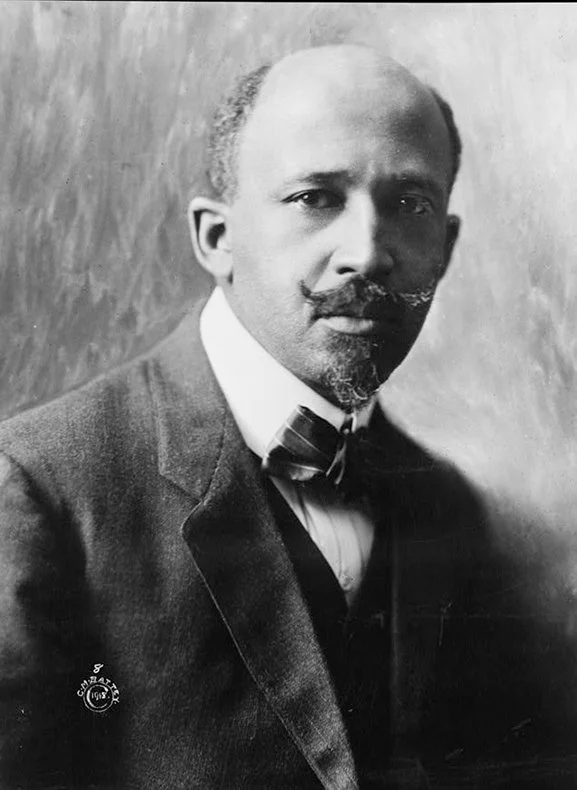
![Black and white portrait of W.E.B. Du Bois from 1918]()
W.E.B. Du Bois
“Either America will destroy ignorance or ignorance will destroy the United States.”
W.E.B. Du Bois’s work teaches me that research is never neutral and that evidence must be used in service of the people most harmed by racial and economic systems.I draw from his legacy when I treat maps, archives, and public records as tools for truth‑telling, and when I return that analysis to Black, Indigenous, working class, urban as well as rural populations, disabled, and diasporic communities so they can study, question, and act for themselves rather than depend on experts to speak for them.
-
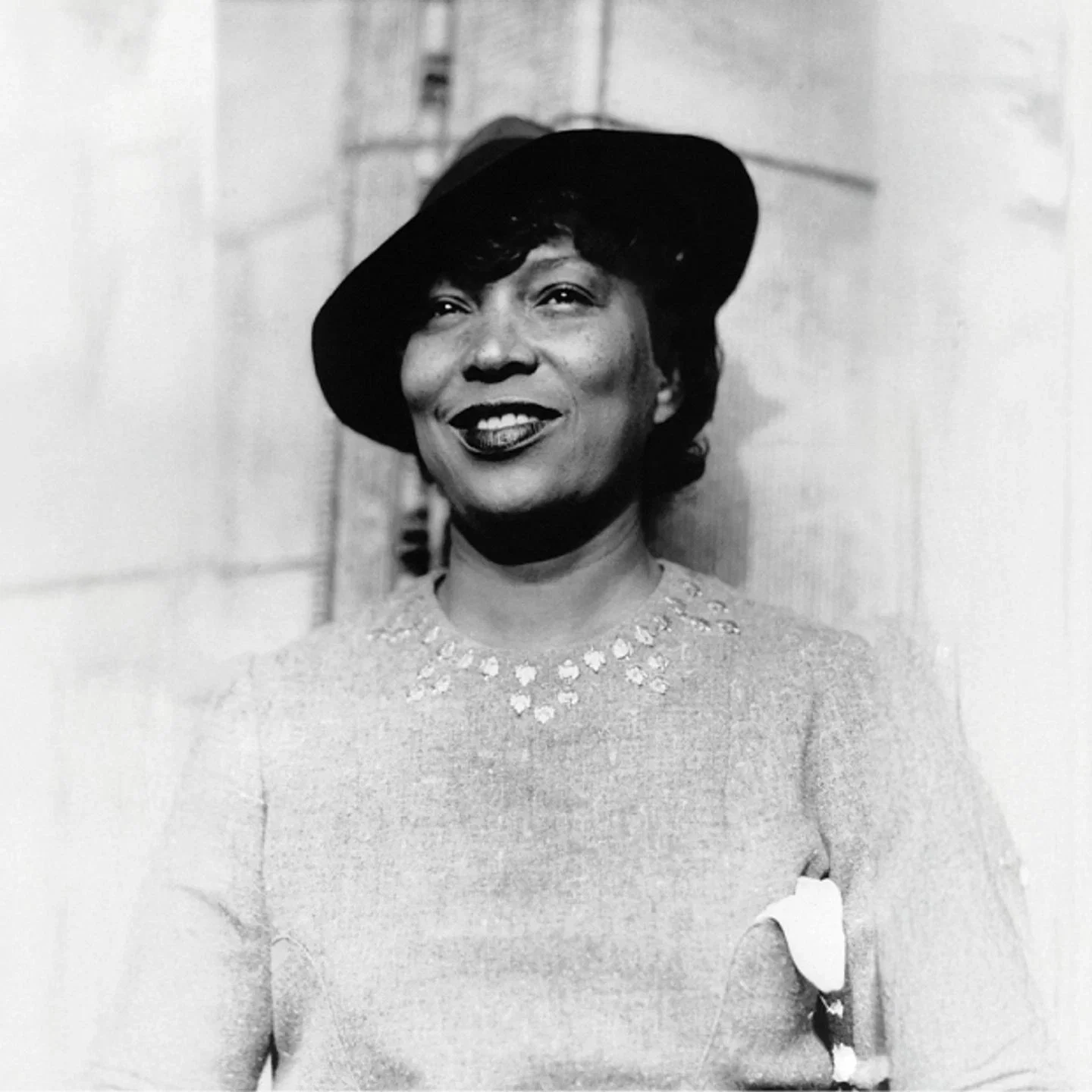
![Black and white portrait of Zora Neale Hurston]()
Zora Neale Hurston
“Research is formalized curiosity. It is poking and prying with a purpose.”
Zora Neale Hurston teaches me to trust curiosity and to treat Black stories, language, and everyday life as serious knowledge, not background color.As a Black girl who spent part of my childhood in Fort Pierce, Florida, I draw strength from the fact that she walked those streets listening closely to people’s lives and turning what she heard into both fiction and anthropology.
Her legacy shapes the way I do community research now, poking and prying with a purpose, so that interviews, field notes, and neighborhood histories can stand alongside maps and datasets when we tell the truth about how infrastructure and policy shape our communities.
-
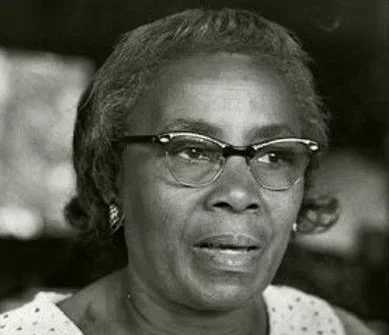
![Black and white portrait of Septima Poinsette Clark wearing glasses.]()
Septima Poinsette Clark
“The greatest evil in our country today is ignorance. We need to be taught to study rather than to believe.”
Septima Poinsette Clark teaches me to see education as a form of organizing and to treat literacy as liberation, not just personal achievement. As a Black southern woman, I draw from her legacy when I use my research to help neighbors understand laws, policies, and the full context of our geographic and social history so that we can collectively navigate the systems that shape our lives.
Her citizenship schools turned kitchens, churches, and back rooms into classrooms; hopefully my work echoes that spirit by making Bible study, workshops, and community meetings places where people learn how power works and how to act together with dignity.
-
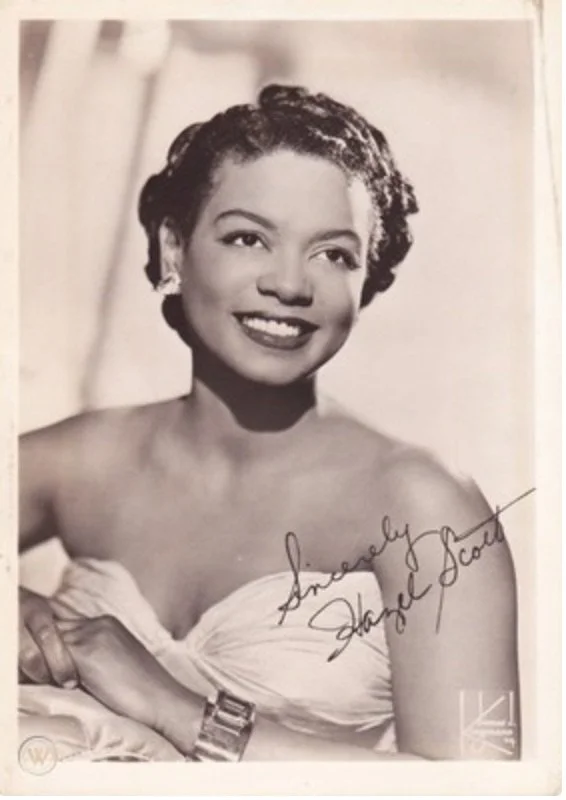
![Black and white autographed portrait of Hazel Scott]()
Hazel Scott
“I have always wanted to be a serious musician, not a jazz ‘character.’ People don’t realize that I fought for the right to be heard with dignity.”
Hazel Scott teaches me that art, faith, and public life cannot be separated from the fight for dignity. She used her musicianship to challenge racist caricatures, refused to play segregated rooms, and stood before Congress rather than let others define her work or her politics.
I draw from her legacy when I treat every setting where I take the mic, whether a sanctuary, a council meeting, a worksite, or a classroom, as a place where I deserve beauty, truth, and respect, not stereotypes or silence.