Engineering
I work as a civil and environmental engineer focused on transportation, stormwater, and large-scale infrastructure in coastal Virginia. My experience includes construction management, quality oversight, water resources engineering, environmental compliance, geotechnical site characterization and technical documentation on complex infrastructure projects as well as residential and commercial projects.
I pay close attention to how infrastructure decisions affect everyday life over time—through drainage, access, construction impacts, and long-term maintenance—especially in communities that have carried disproportionate environmental burdens. My work is informed by the professional standards, codes, and ethics frameworks of civil engineering.
I also own and operate Henrico Pierce Engineered Solutions LLC, a small environmental firm through which I pursue independent engineering and environmental justice projects in select community and infrastructure contexts. In professional society service, I currently serve as 1st Vice President of the Virginia Section of American Society of Civil Engineers (ASCE) and Chair of the Section’s Justice, Equity, Diversity, and Inclusion (JEDI) Committee.
This page offers a closer look at what that work has involved and how I think about my responsibilities in practice. I am currently preparing and working toward professional licensure as a professional engineer, and I treat that as part of a longer term commitment to public facing, technically rigorous work.
In my independent capacity, I build and interpret models that bring together hydrologic, geologic, and geospatial information, using data visualization to connect empirical data with maps and graphics that reveal patterns in publicly available datasets, technical reports, and the behavior of soil, water, and infrastructure systems. This part of modern civil and environmental practice is integral to plan infrastructure, assess flood and contamination risks, design stormwater systems, and communicate results to clients, agencies, and the public.
How I Practice
-
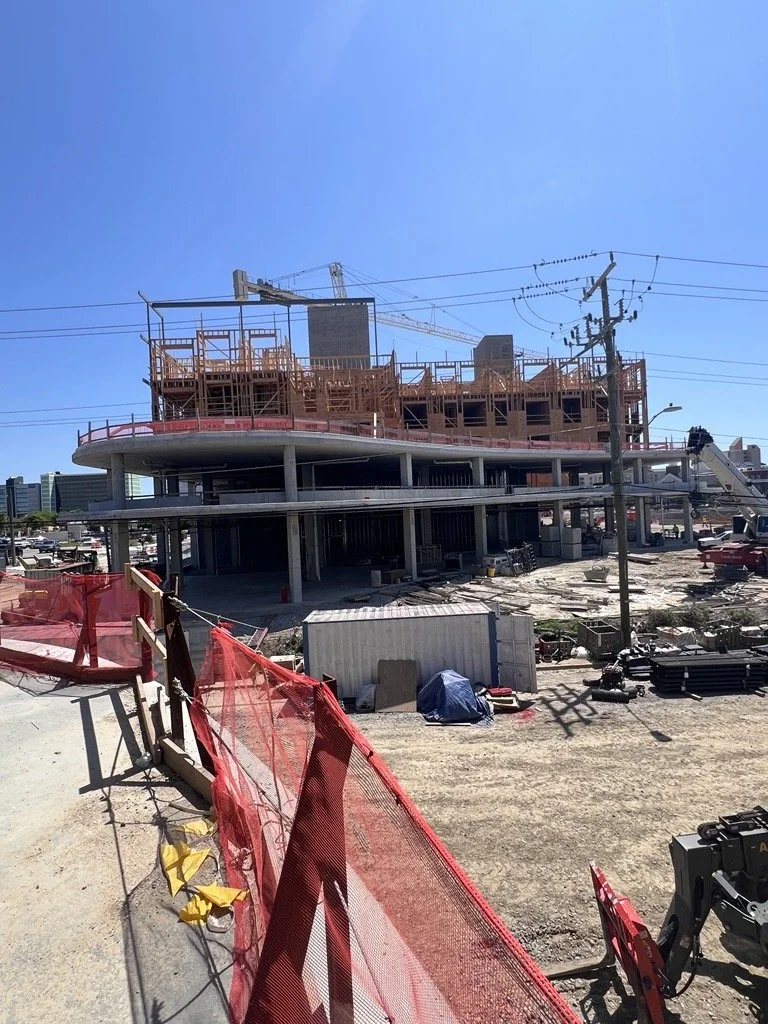
My work practice sits in the places where civil and environmental decisions show up in real streets, real yards, and real crawl spaces, not just in design documents. Over the last eight years, I have worked in transportation, construction management, geotechnical investigations, water resources, environmental compliance, hazardous site remediation, and wetland delineations. That work has given me a close view of how infrastructure is planned, built, inspected, and handed over to the people who have to live with it.
My practice is also shaped by where I live. In Hampton Roads, you cannot talk about land, water, or infrastructure without asking whose history gets told and whose does not. I am interested in how Indigenous land use in Tidewater, European settlement, the forced labor of enslaved Africans, and generations of involuntary migrants (African Diaspora) as well as voluntary migrants (Filipino & Latino communities) and working class communities have all shaped the systems we see now, from drainage and flood patterns to where industrial sites, shipyards, and Superfund sites are located.
For me, civil and environmental practice means paying attention to that full story, not just the most recent project file.
-
I care about how infrastructure is planned, built, and maintained, and I also care about how it feels to the people who live around it. As an engineer, I am responsible for work that is honest, technically sound, and clearly in the public interest.
Details most people never see can carry real consequences. Drainage, grading, soil conditions, and compliance decisions can mean the difference between a street that floods every storm and a street that drains, or between long term exposure to contaminants and a site that has finally been cleaned up.
I am currently preparing and working toward professional licensure, and I treat that as an ethical commitment, not just a career step. For me, good practice means telling the truth about what is there, following the evidence, respecting the people who have to live with the outcomes, and using civil and environmental tools to move conditions closer to safety, health, and dignity, especially in places that have been neglected.
-
In my work, I use a mix of field observation, technical standards, and analytical tools to understand what is happening on the ground. That includes geospatial analysis, hydrogeologic and hydrologic modeling, and careful reading of industry codes, specifications, and guidance documents.
I build and interpret models that bring together land elevation, soil conditions, groundwater behavior, surface water, and built infrastructure so I can see how water and contaminants move through a place over time. I then use maps and data visualizations to make those patterns easier to see, especially when I am working with publicly available datasets and technical reports that are not written for everyday readers.